| Job | CS-014 |
|---|---|
| Revision | A — legacy and failing hardware to the cloud or replacement hardware, disaster recovery refreshed |
| Subject | Code resurrection for systems still in production |
| Platforms | VAX/VMS · SCO OpenServer · Xenix · OS/2 · Windows · Linux · BSDI · SunOS on SPARC · Solaris · HP-UX · NetWare · OpenVMS · IBM i · AIX · IBM Z |
in
production
Resurrect the code the current stack no longer speaks.
Prepared for the person who still has the machine, and for the person who has to defend the plan. Same job. Two readers.
01 — Scope of work
| Keep | Production care for a legacy system the business has not finished with. The operating system can be old. The dependency is current. |
|---|---|
| Rehost | Move the workload forward. Binary compatibility stays on the table, so a SCO OpenServer 5 binary can keep running while the rest of the move is planned. |
| Lift | When the hardware is failing, move that same system to an emulator, a small on-site PC, or the cloud that runs the architecture. Legacy hardware, the spare, and which cloud. Golden image, checksummed copies, and the original stays up until the copy boots. |
| Rebuild | Re-implement the behavior on a modern operating system when the runtime itself is the risk. |
| Sequence | Chad Johnson is project manager and software design architect. Ian Saint-Evens and Jeff Armstrong, both principal, own the build and the cutover. 30+ years. |
02 — For the record
A BBX application written on SCO OpenServer was ported to Linux CentOS. SCO OpenServer 5 binary compatibility stayed in the design, so the parts that had to keep running as binaries could keep running as binaries. That is the shape of the work: save what still earns its place, and move what has to move.
Antique hardware moves onto Google Cloud when that cloud can run the architecture. The disk image runs on an emulator or a Linux VM. A golden image and checksummed copies come with the move, and the original stays up until the copy boots. IBM i, AIX, and IBM Z stay on their own clouds. Legacy hardware, the spare, and which cloud.
The recommendation upstairs is one of three words: keep, move, or rebuild. Each one comes with a date and a name on the cutover.
03 — Assigned
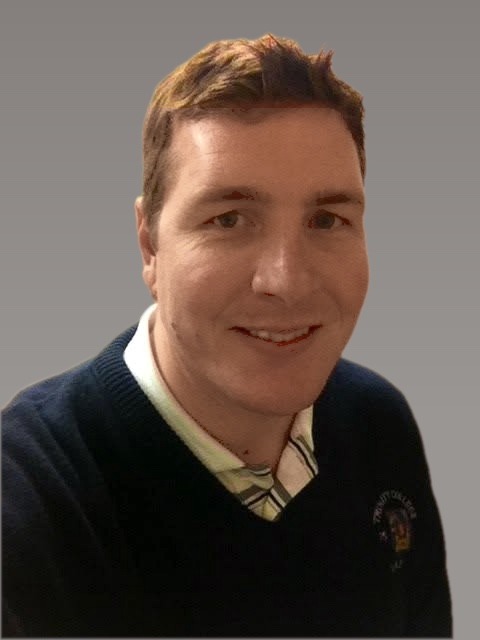
Principal implementation, legacy stack, and developer
30+ years
Ian Saint-Evens
VAX/VMS, SCO OpenServer, OS/2, Windows, Linux, and IBM legacy, AS/400. Off the clock he plays the bass and volunteers at the orphanage.
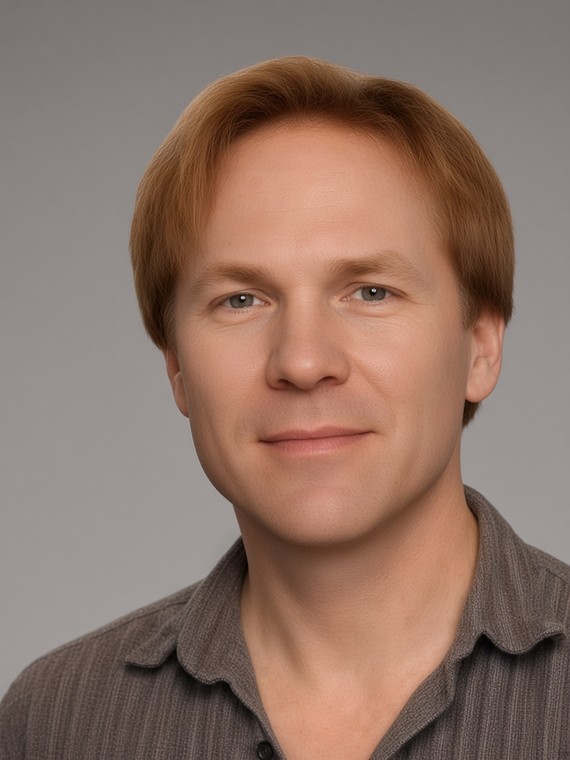
Principal lead developer, security, and legacy stack
30+ years
Jeff Armstrong
Lead developer on the code, security, and the cutover. He knows the legacy stack. Off the clock he can be found hiking the Pacific Northwest.
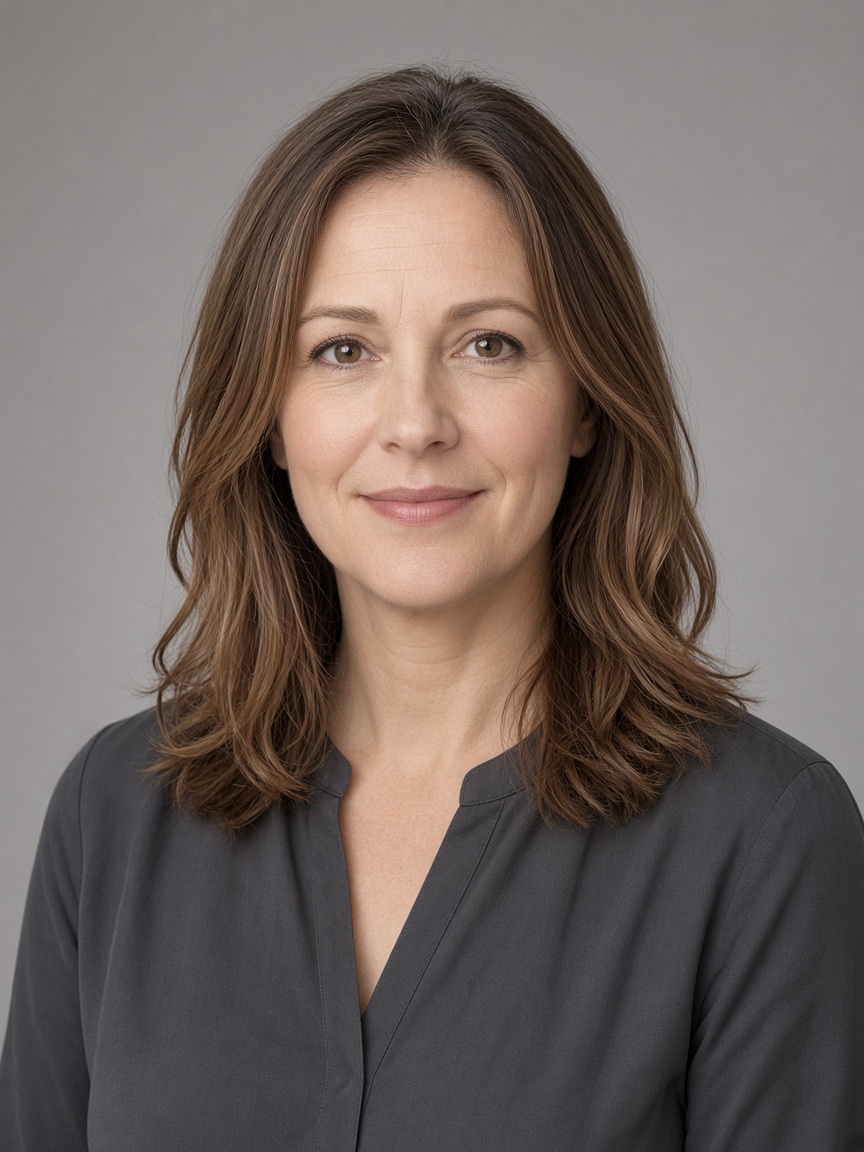
Legacy languages and disaster recovery
25+ years
Laura Bennett
ProvideX, BBx, COBOL, and RPG, onto the next operating system. Disaster recovery and the fallback. Off the clock she volunteers.

Project manager and software design architect
35+ years
Chad Johnson
Software designer who leads the team. In charge of software integration: updates and upgrades. Off the clock he fly-fishes.
Four people on the sheet. Ian and Jeff are both principal. Ian is implementation, legacy stack, and developer, including Linux and IBM legacy such as AS/400. Jeff is lead developer on the code, security, the cutover, and the legacy stack. Laura covers the language port and disaster recovery. Chad leads the team. He is project manager and software design architect.
04 — Field notes
| Migration | Harbor & Pine Distribution. BBX order system moved from SCO OpenServer to Linux CentOS. SCO 5 binaries kept running while the rest of the move finished. The warehouse kept the same screens. — Lena Ortiz, operations director |
|---|---|
| Rebuild | Kestrel Machine Works. OS/2 shop-floor schedule rebuilt on a current Windows server. Same jobs, same keystrokes, a system a new hire can operate. — Mark Ellison, plant manager |
| Update | Pell & Sons Cold Storage. VAX/VMS billing job still runs every night. Steps documented, breakage fixed, and someone on call besides the one person who used to know it. — Ruth Pell, controller |
05 — Interview
Contact us for an interview. Tell us who you are and what you want to talk about.
Interview request sent.
We have your note and will write back to set a time.
The note did not go through. Send it again in a minute.
06 — The work, named
Code Salvage is a code resurrection practice. The system is still in production because the business still needs it. We keep that workload running, move it onto a current operating system, or rebuild the behavior when the old runtime has to go.
A legacy system migration here is a specific job, not a rewrite for its own sake. A BBX application written on SCO OpenServer can move to Linux CentOS with SCO OpenServer 5 binary compatibility, so the parts that have to stay binaries can stay binaries. An OS/2 shop-floor schedule can be rebuilt on a current Windows server with the same jobs and the same keystrokes. A VAX/VMS billing run can stay where it is, with the steps written down and someone on call besides the one person who used to know it.
| Keep | Production care for VAX/VMS, SCO OpenServer, OS/2, Windows, Linux, BSDI, SunOS on SPARC, Solaris, and the other systems named on this sheet. |
|---|---|
| Rehost | Legacy system migration onto Linux or a current Windows server, including SCO 5 binary compatibility when the working program should move before anyone rewrites it. |
| Rebuild | Business Basic, BBX, and other legacy languages re-implemented on a modern operating system. Same job for the business. A system the next person can operate. |
| Cutover | Scope, sequence, and a date. The recommendation is one of three words: keep, move, or rebuild. |
Bring the operating system, the language, and what stops if the machine stops on a Tuesday.